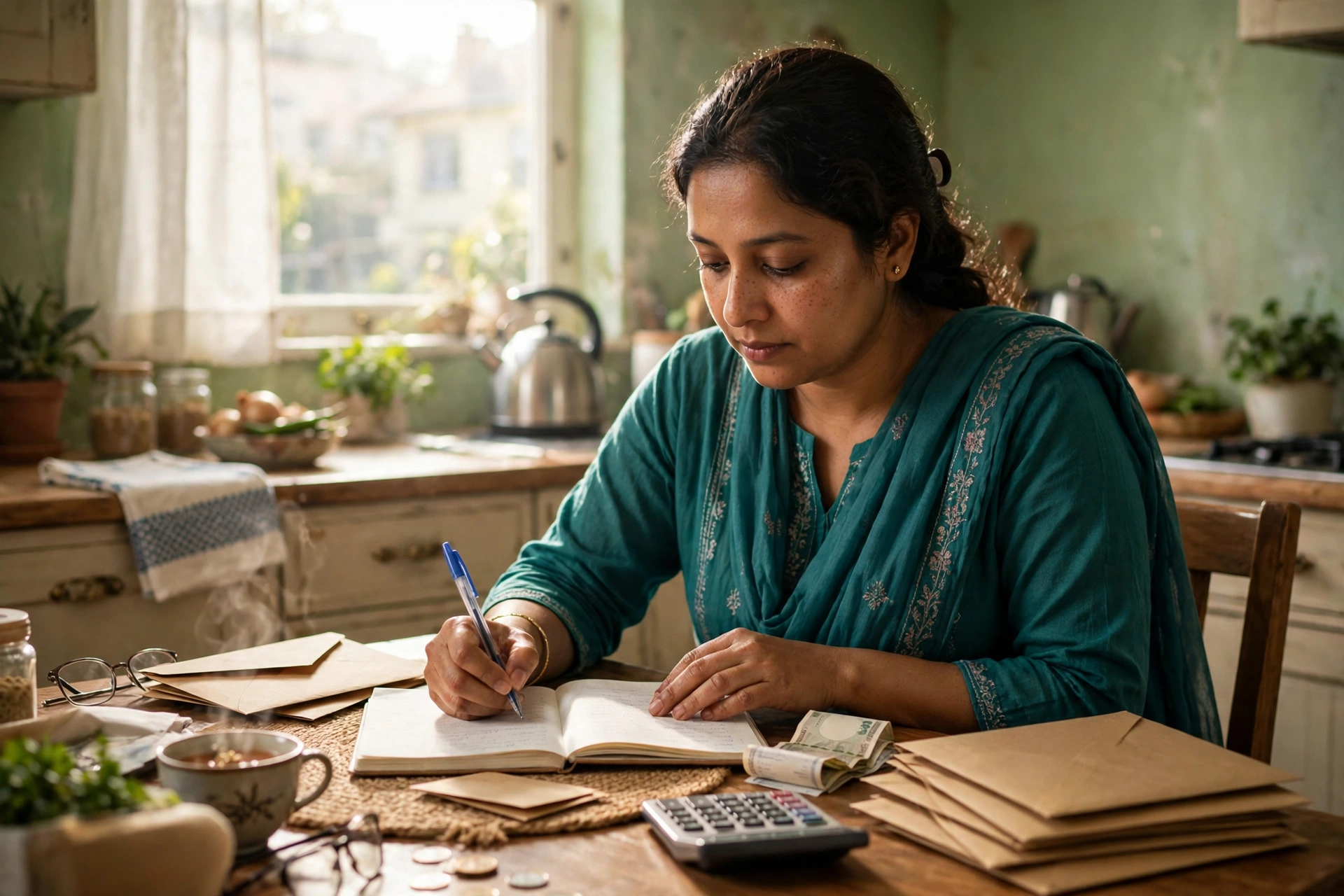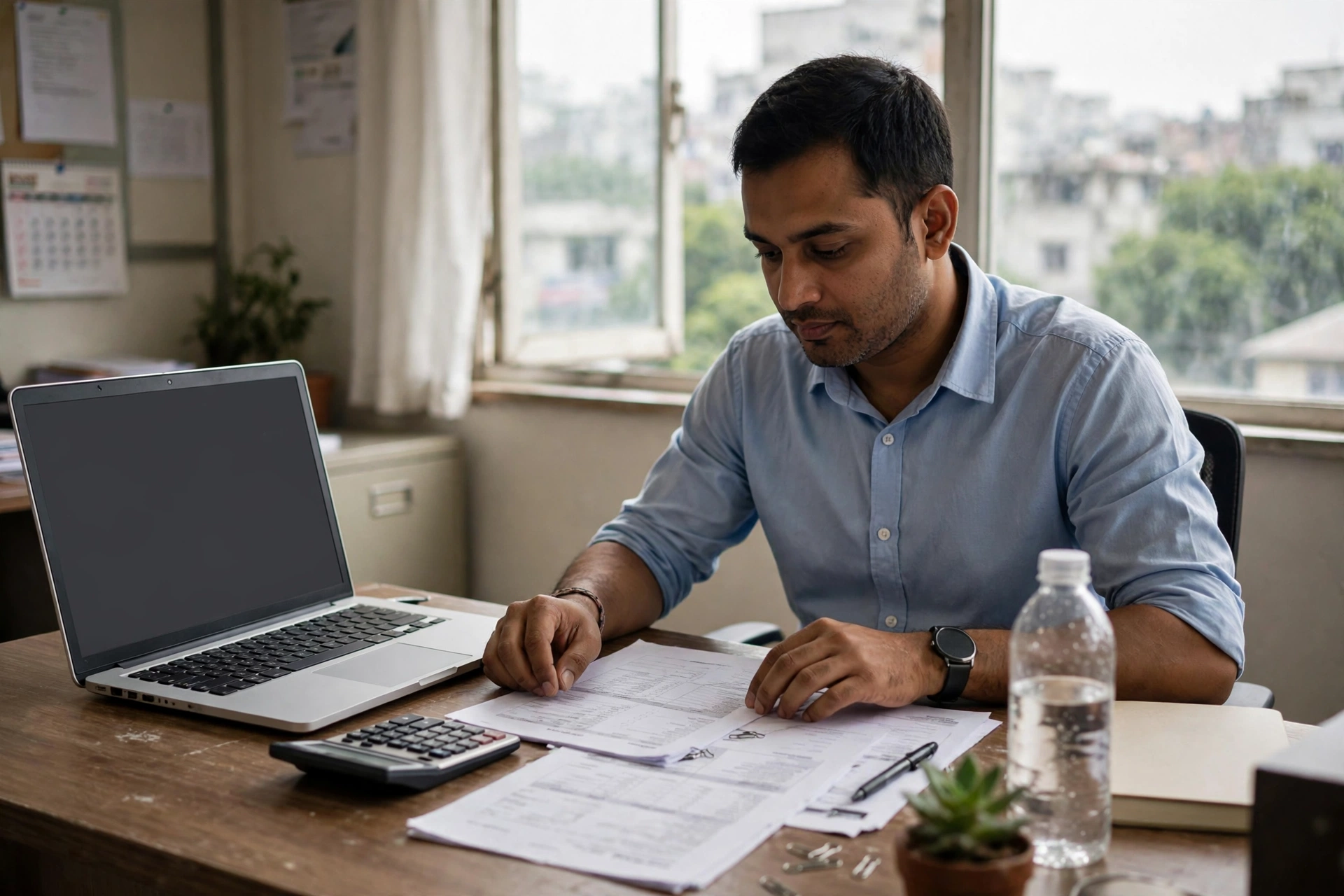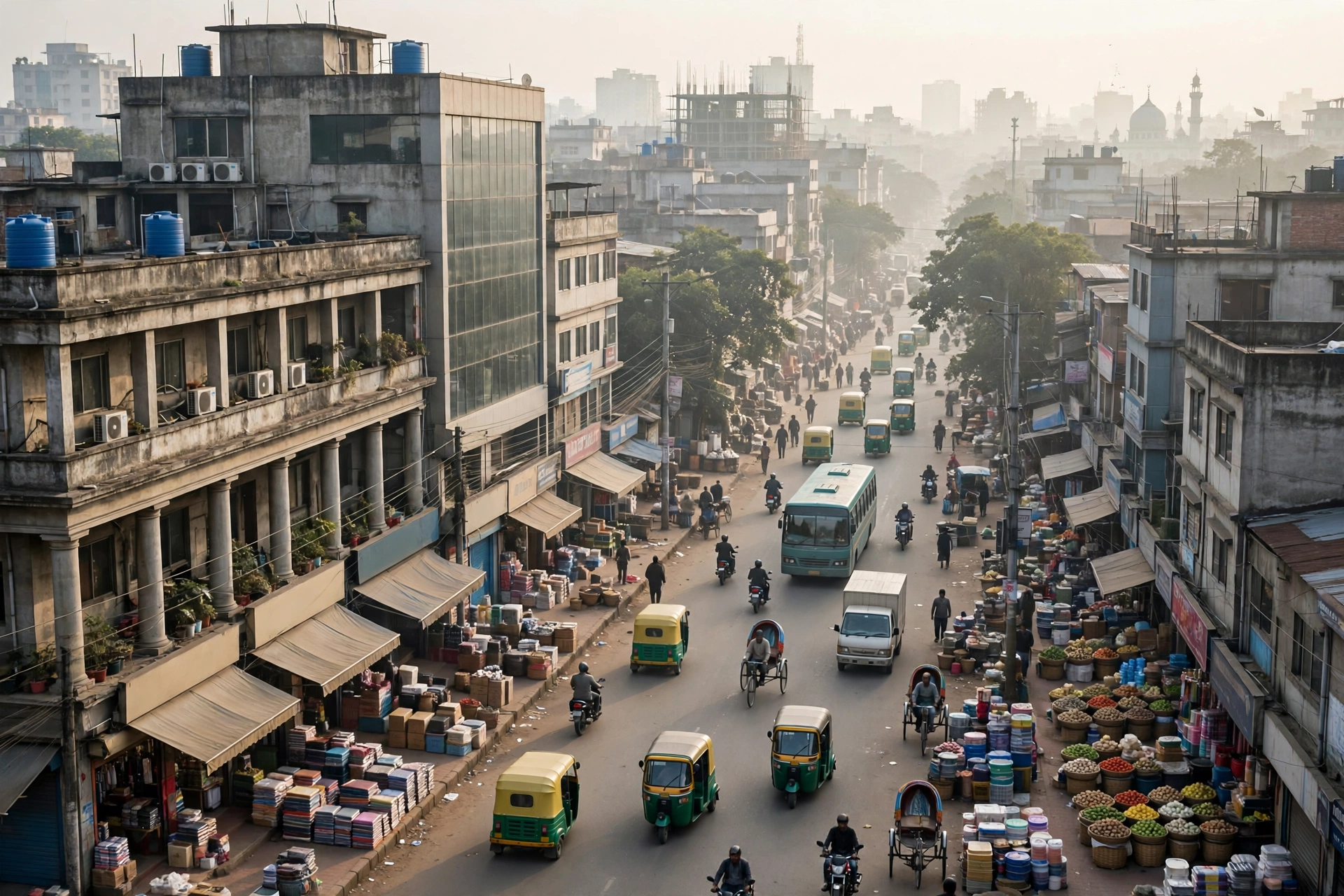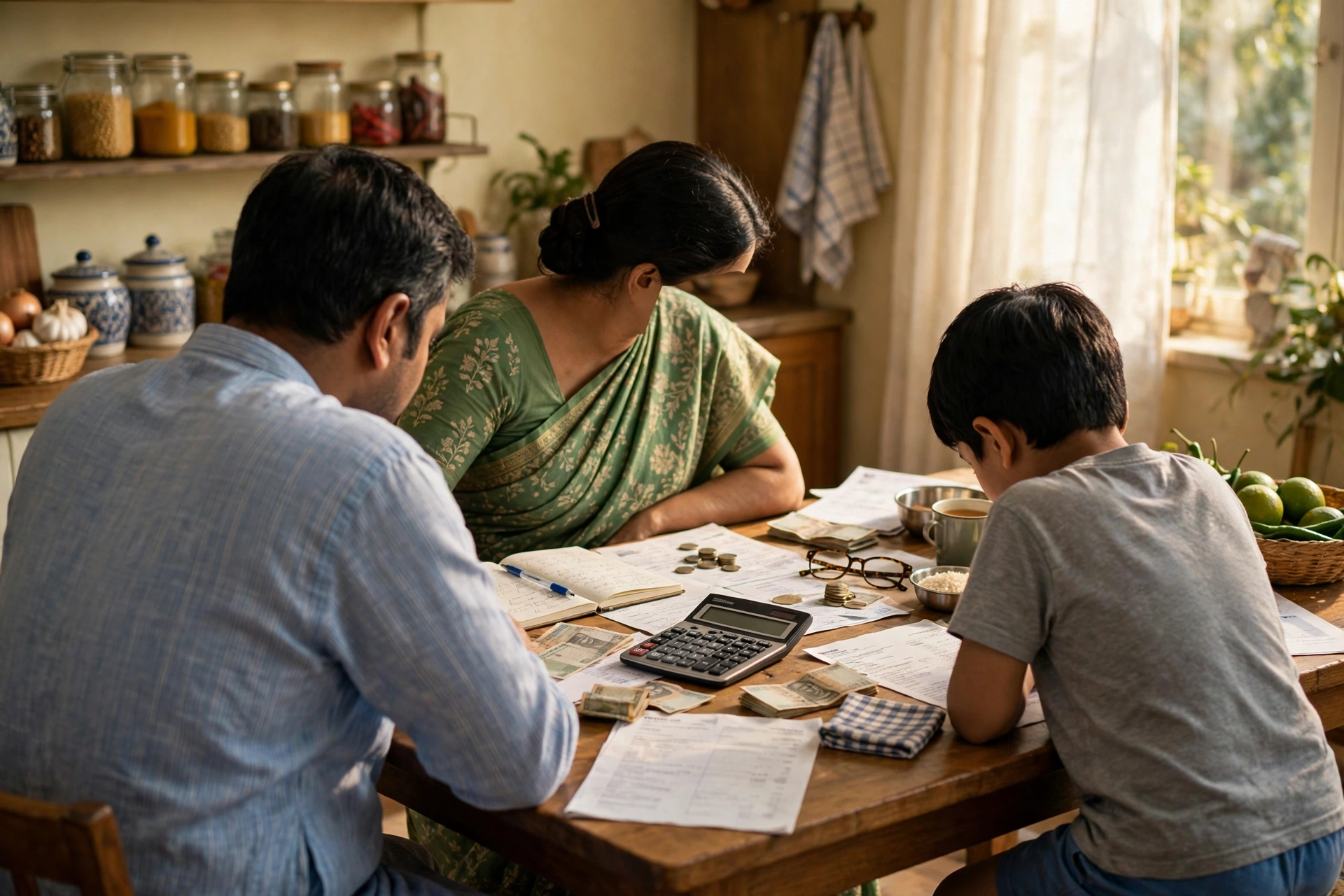
Financial advice often begins with investment. For most Bangladeshi households in 2026, it should begin earlier: with cash that can be reached in a week, without borrowing, without selling an asset at a loss, and without asking family for help.
Inflation, according to Bangladesh Bureau of Statistics data, was 8.26 per cent in August and 8.34 per cent in September, with food inflation at 7.22 per cent in September. In practical terms, a household that spent Tk50,000 a month a year ago needs materially more today for the same basket — and a medical bill, a job interruption or a broken appliance does not wait for a better month.
How much is enough?
A common starting point is three to six months of essential spending — rent or loan repayment, food, transport, utilities, school costs and medicine — held separately from everyday spending money. Three months may suit a two-income household with stable jobs; six months is safer for a single-income household, a freelancer or a family with a variable income.
Where to keep it matters as much as how much. It should be safe, accessible and separate: a savings account or a liquid, low-risk instrument, not equities, not a fixed deposit that penalises early withdrawal, and not cash at home. The return on an emergency fund is not interest. It is the borrowing cost and distress sale it prevents.
- Start with one month of essentials, then build month by month.
- Automate a transfer on payday, even a small one.
- Replenish the fund immediately after any withdrawal.
An emergency fund does not make you rich. It stops an emergency from making you poor.
Households that already have a buffer should review it: has essential spending risen with inflation? If so, the old buffer may now cover fewer months than it did a year ago.