This article is for information only. It is not personal financial advice, and property investment carries risk, including illiquidity and price falls.
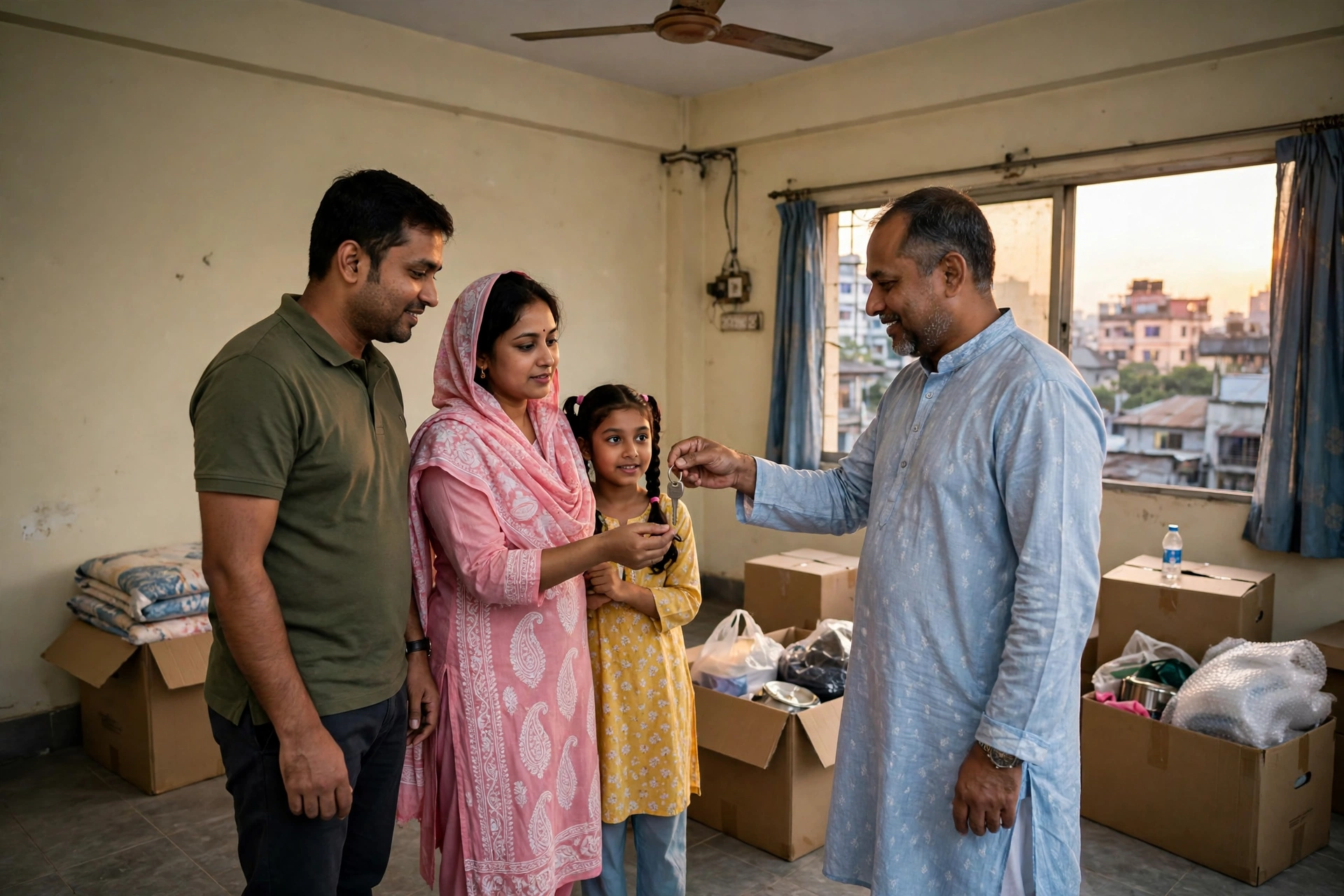
Every month, billions of taka flow into Bangladesh as remittances. Most of it supports daily living. A growing share, however, is directed into property — a flat in Uttara or Bashundhara for a future return, a smaller unit in Mirpur for rental income, or a family home in Dhaka that will one day house parents, children or the sender themselves.
The appeal is understandable. Property is tangible, it can be visited, and it connects an expatriate household to a future in Bangladesh in a way a bank balance does not. Developers report sustained interest from non-resident buyers, and mid-sized flats — the liquid 1,200-square-foot segment — are particularly popular, because they are easier to let and, eventually, to resell.
The risks expatriate buyers often underestimate
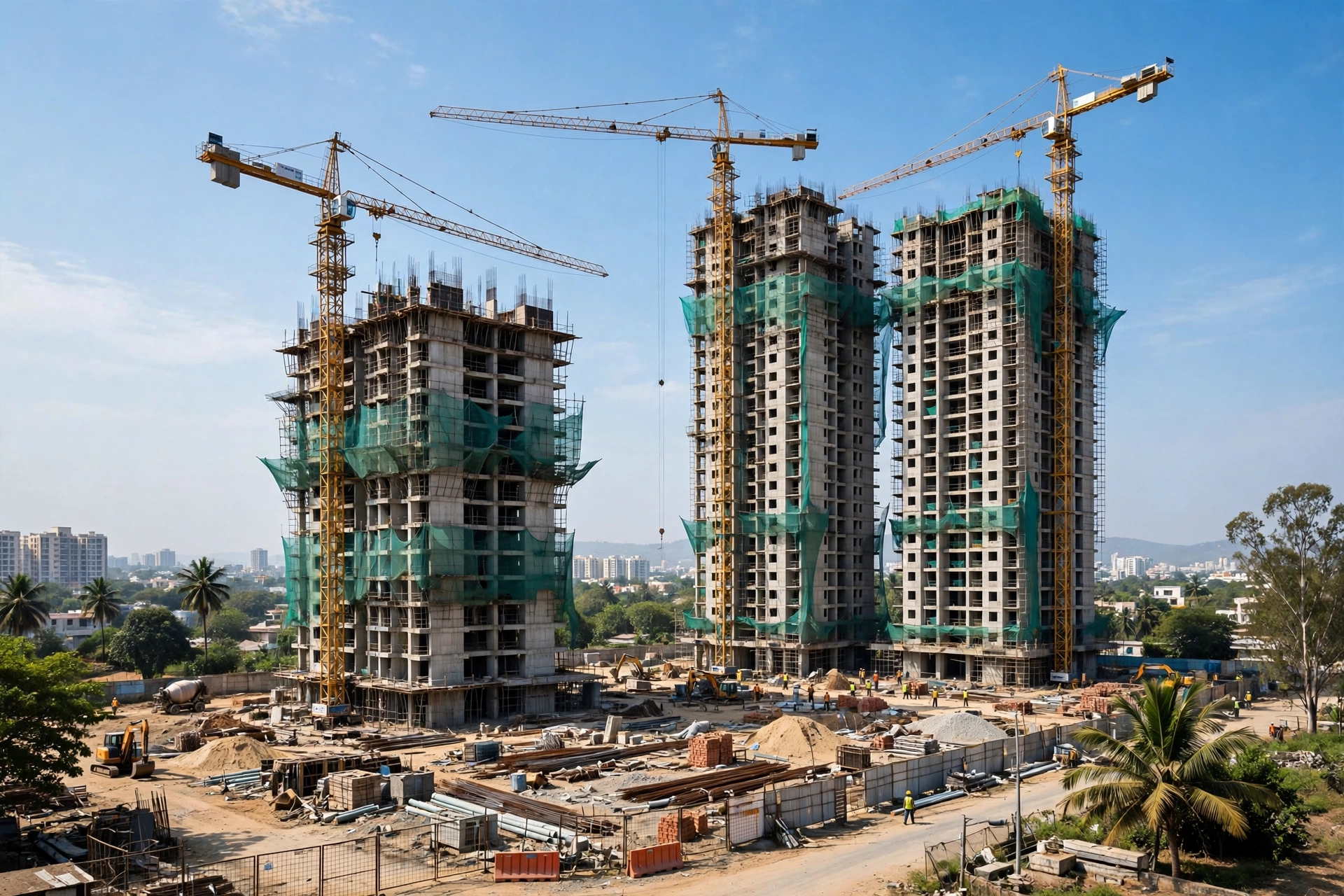
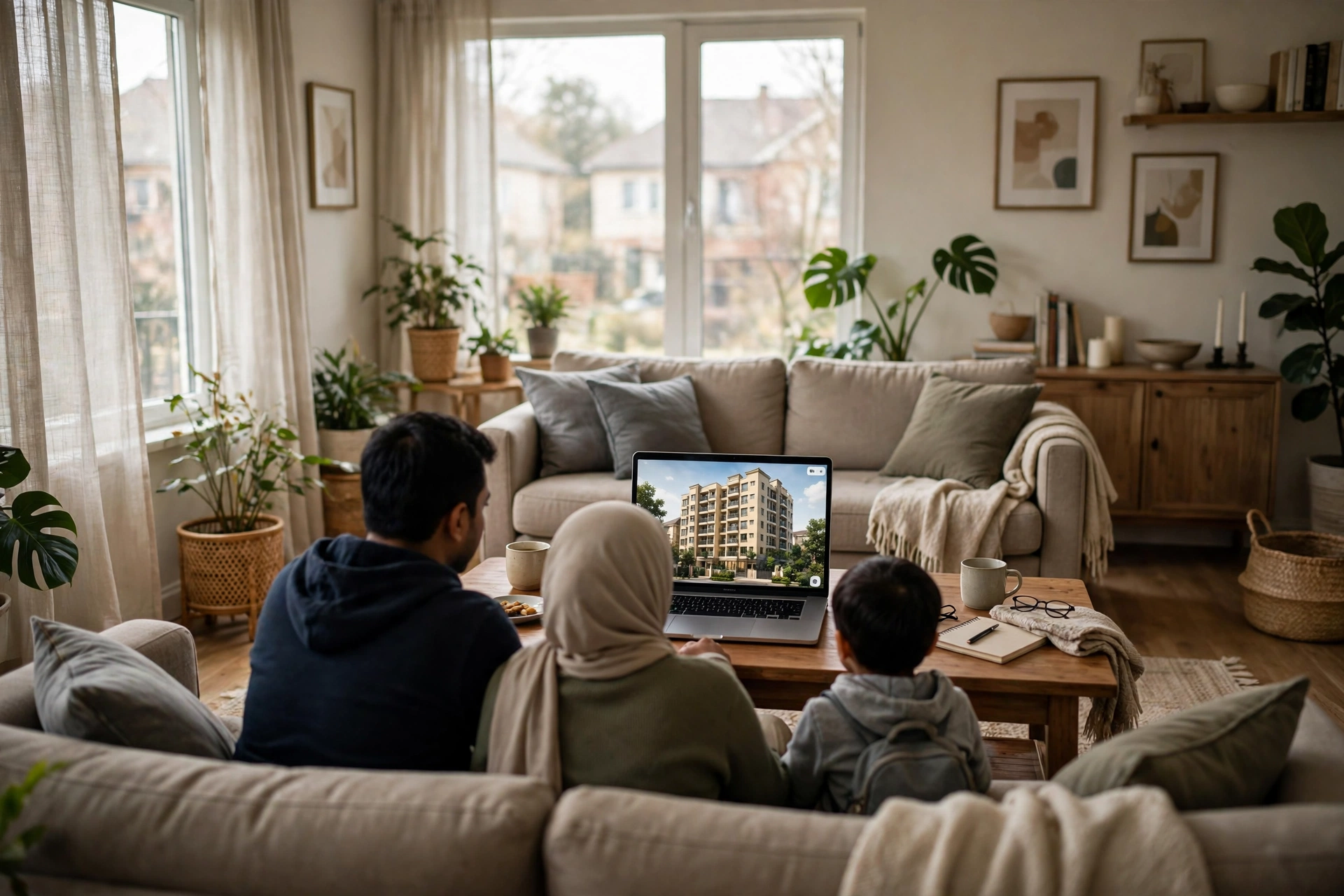
Distance magnifies every ordinary property risk. A buyer abroad cannot easily inspect construction quality, verify a developer's record, check RAJUK approval or monitor handover. Currency movements affect the effective price in pounds, dollars or riyals. Rental income depends on local management, tenant quality and maintenance — all harder to supervise from another continent.
Legal diligence is therefore not optional. Buyers should verify title and approval documents independently, use a trusted local representative with written authority, confirm who holds the funds at each payment stage, and understand registration costs, which typically reach 8 to 10 per cent of the purchase price.
- Verify RAJUK approval and title before any large payment.
- Prefer staged payments linked to construction milestones.
- Budget for management, maintenance and vacancy, not just purchase price.
- Keep a local, written record of every payment and document.
Buying from abroad does not change the rules of buying well. It only makes breaking them more expensive.
For non-resident households, the wisest property purchase is often the least speculative: a home with a clear purpose, in a location with proven rental demand, bought at a price that still works if rental income pauses for six months.