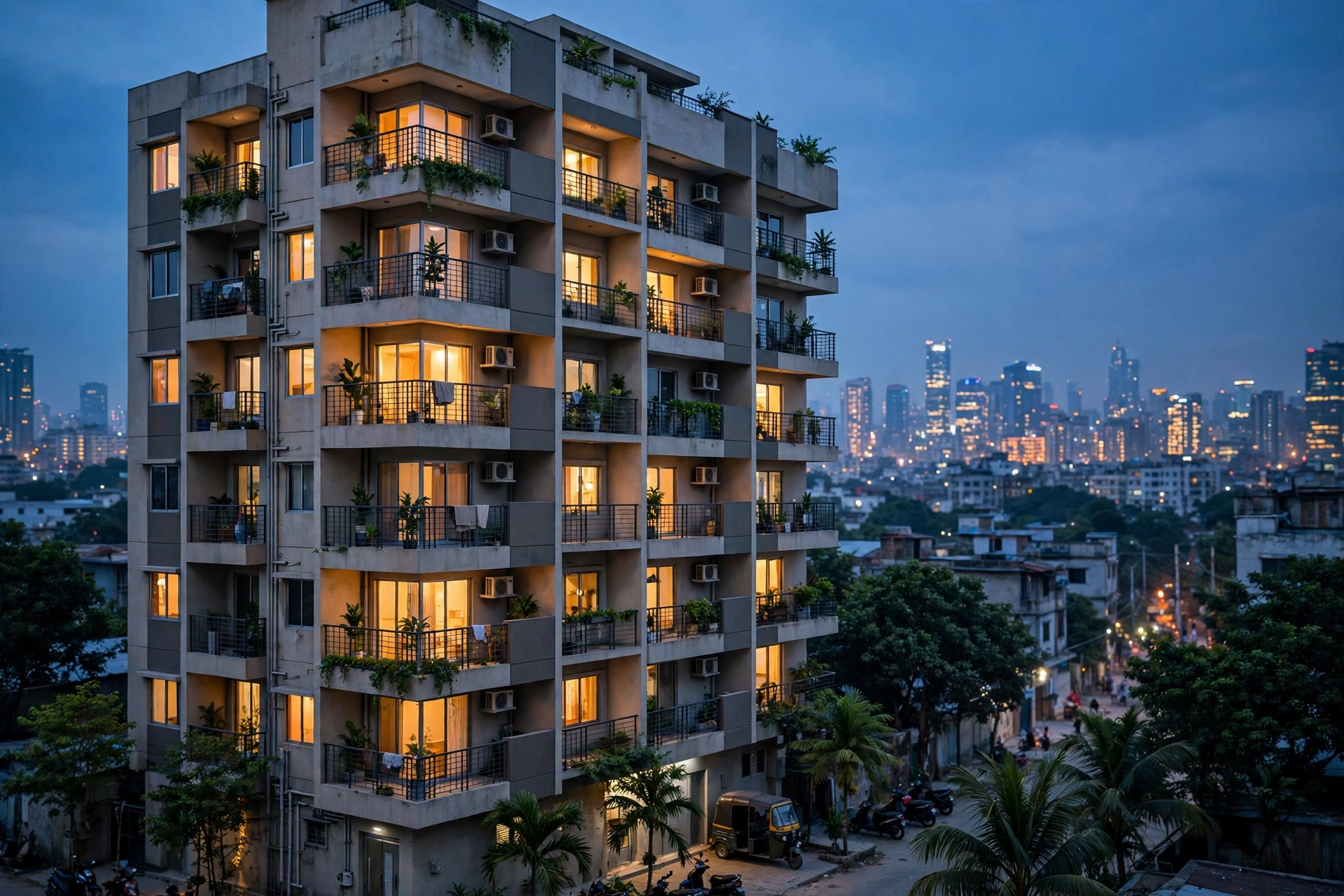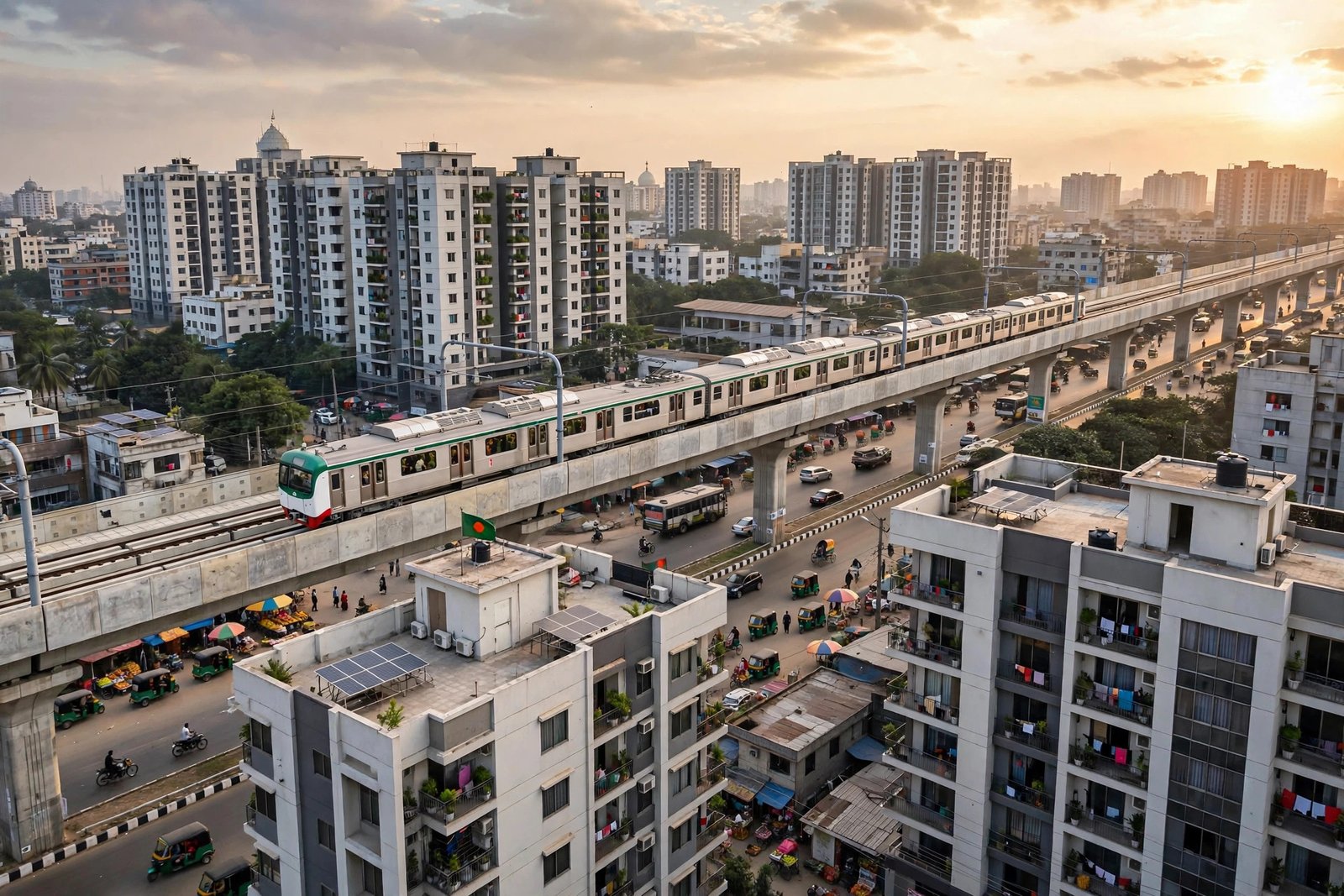
For landlords, the most important number in Dhaka is not the sale price. It is the yield: annual rent divided by purchase price. On that measure, the city average flatters no one. Numbeo data updated on 24 October 2026 put gross rental yield in central Dhaka at about 2.57 per cent, and 2.53 per cent outside the centre — modest by regional standards, and before maintenance, vacancy and management costs.
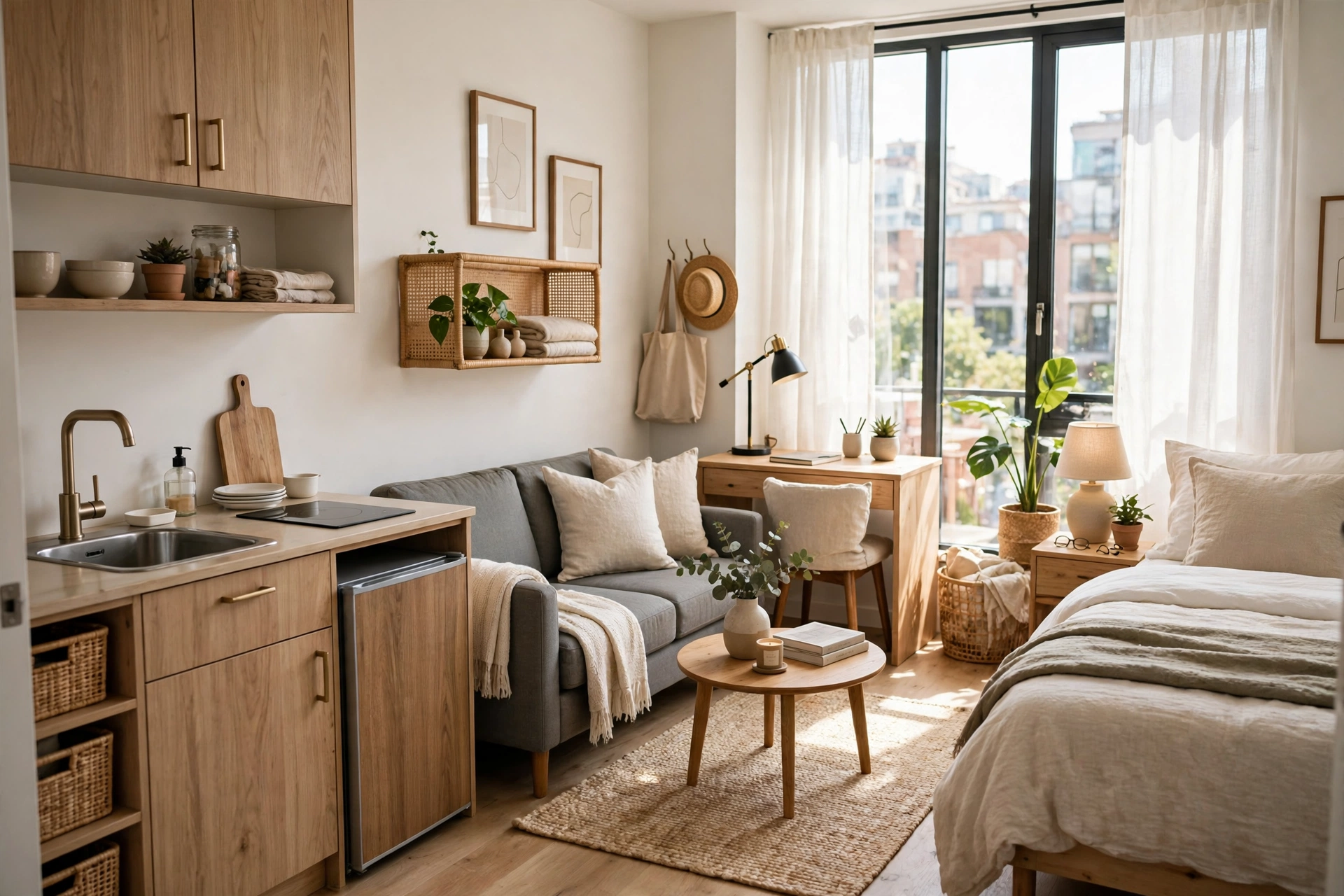
Look closer, however, and the average splits. Market estimates for 2026 put studio apartments at yields near 8 per cent, one-bedroom units near 6 per cent and two-bedroom units near 5 per cent, while large luxury units fall to around 4 per cent. The reason is simple: a studio costs far less to buy, yet rents to a deep pool of young professionals, students and corporate tenants who value location over space.
The serviced-apartment effect
Furnished, well-managed studios and one-bedroom units in Gulshan, Banani, Bashundhara and Uttara command a further premium. Tenants pay for reliable internet, security, generator backup, housekeeping and a written lease — features that informal rentals often lack. Properties with consistent management, market observers note, outperform informal rentals in both pricing and occupancy.
That does not make every small flat a good investment. Service charges, furnishing replacement, vacancy between tenants and the cost of borrowing at current rates can erase a headline yield quickly. A buyer financing heavily at 12 to 14 per cent while earning a 5 per cent gross yield is not investing; they are subsidising a tenant in the hope of capital growth.
Yield is the rent a property earns. Everything else — appreciation, prestige, hope — is a bonus, not a plan.
A landlord's checklist
Before buying for rent, test the numbers net of costs, inspect the building's management, confirm the tenant pool in that specific block (not just the area), and keep a reserve for repairs. Compact, well-located and well-managed beats large, prestigious and empty.